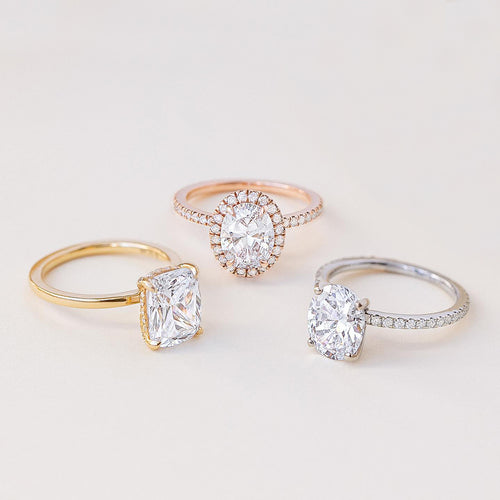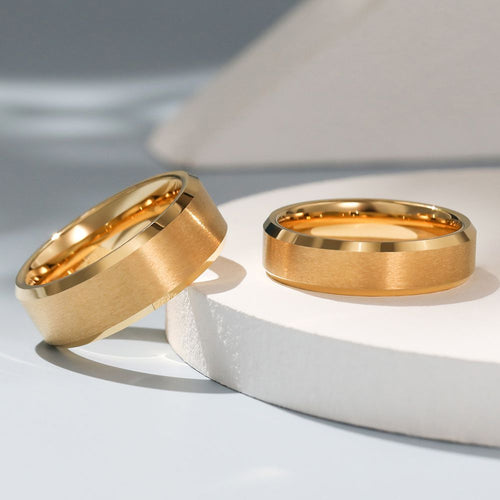


Quick Answer
Cubic zirconia does not tarnish in the same way silver, copper, brass, or low-quality plated metals can tarnish. CZ is a man-made gemstone, not a metal, so it does not oxidize or turn black. However, the metal setting around a cubic zirconia stone can tarnish, fade, or turn your finger green if it contains copper, brass, or poor-quality plating.
If you are asking, “does cubic zirconia tarnish?” the honest answer is: the stone itself usually does not, but the jewelry setting might.
Quotable Summary
Cubic zirconia is a man-made diamond alternative known for its bright sparkle, affordable price, and clean appearance. The stone itself does not tarnish or turn green because it is not a metal. Most problems people blame on cubic zirconia, such as green skin, dullness, or discoloration, usually come from the ring’s metal setting, plating, dirt buildup, lotion, perfume, or daily wear. Cubic zirconia is good for affordable engagement-style rings, travel rings, fashion jewelry, and everyday sparkle, but it is not as hard, rare, or valuable as a natural diamond.
What Is Cubic Zirconia?
Cubic zirconia, often called CZ, is a lab-created gemstone made to look similar to a diamond. It is popular because it has strong sparkle, a clean white appearance, and a much lower price than diamond.
Many people choose cubic zirconia for engagement-style rings, promise rings, travel rings, wedding looks, and fashion jewelry because it gives a diamond-like appearance without the high cost.
Cubic zirconia is not the same as a diamond. A diamond is made of carbon and forms naturally or can be grown in a lab. Cubic zirconia is made from zirconium dioxide. It is beautiful, but it is a different material with different durability, value, and long-term wear.
Does Cubic Zirconia Tarnish?
No, cubic zirconia itself does not tarnish.
Tarnish happens when certain metals react with air, moisture, sweat, chemicals, or sulfur. Silver can tarnish. Copper can darken. Brass can discolor. Some plated jewelry can fade or expose base metals over time.
Cubic zirconia is a stone, not a metal. So when people ask, “does cubic zirconia tarnish?” they are usually noticing one of these issues:
- The metal setting is tarnishing.
- The plating is wearing off.
- Dirt, oil, lotion, or soap is making the stone look cloudy.
- The ring contains copper or brass, which may react with skin.
- The jewelry was exposed to perfume, chlorine, sweat, or cleaning chemicals.
So the better question is not only “does cubic zirconia tarnish?” but also “what metal is my cubic zirconia ring made with?”
A cubic zirconia stone set in sterling silver, stainless steel, platinum, solid gold, or high-quality gold vermeil will behave very differently from CZ set in cheap plated alloy.

Will Cubic Zirconia Tarnish Over Time?
The stone itself will not tarnish over time, but it can become dull if it is not cleaned.
Cubic zirconia can collect:
- Hand lotion
- Soap
- Shampoo
- Makeup
- Perfume
- Skin oil
- Dust
- Hard water residue
This buildup can make the stone look less bright. Some people mistake this dull look for tarnish, but it is usually surface residue.
With regular cleaning, cubic zirconia can stay bright for a long time. The biggest long-term concern is usually not the stone. It is the metal setting, the plating quality, and how often the ring is worn.
Does Cubic Zirconia Turn Green?
No, cubic zirconia itself does not turn green.
If your finger turns green while wearing a cubic zirconia ring, the cause is almost always the metal, not the stone. Green skin usually happens when copper in the jewelry reacts with sweat, moisture, lotion, or chemicals.
This can happen with inexpensive fashion rings, brass rings, copper-based alloys, or gold-plated jewelry where the plating has worn down.
So when people ask, “does cubic zirconia turn green?” the clear answer is:
Cubic zirconia does not turn your skin green. Low-quality metal settings can.
To reduce the chance of green skin, choose cubic zirconia jewelry made with better metals, such as:
- Sterling silver
- Stainless steel
- Solid gold
- Platinum
- Titanium
- High-quality gold vermeil
- Nickel-free settings
Also remove your ring before swimming, showering, washing dishes, applying lotion, or using cleaning products.
Will Cubic Zirconia Turn Green If I Wear It Every Day?
Cubic zirconia will not turn green, but a low-quality ring setting might cause green marks if worn every day.
Daily wear exposes jewelry to sweat, hand soap, water, perfume, sunscreen, lotion, and friction. These things can break down cheap plating faster. Once the plating wears away, the base metal underneath may react with your skin.
If you want a cubic zirconia ring for everyday wear, pay attention to the metal. A CZ stone in a high-quality setting is much better than a pretty stone in a cheap alloy ring.
For everyday rings, avoid unknown “fashion alloy” if you have sensitive skin or want long-lasting wear.
Is Cubic Zirconia Good?
Yes, cubic zirconia is good if you want an affordable, bright, diamond-like stone.
It is especially good for:
- Travel engagement rings
- Temporary rings
- Fashion rings
- Promise rings
- Photo shoot jewelry
- Affordable bridal looks
- Daily sparkle on a budget
- People who do not want to spend much on a diamond
Cubic zirconia is not good if you expect it to have the same hardness, long-term value, rarity, or prestige as a diamond.
A good cubic zirconia ring can look beautiful, but CZ is not an investment stone. It is a style choice, not a high-value gemstone.
How Much Is Cubic Zirconia Worth?
Cubic zirconia is usually worth much less than diamond, moissanite, sapphire, or other precious gemstones.
The value of cubic zirconia depends on:
- Stone size
- Cut quality
- Clarity
- Color
- Brand
- Craftsmanship
- Ring metal
- Plating quality
- Overall design
In most cases, the stone itself is not very expensive. The ring’s price often comes more from the metal, design, labor, brand, and setting quality.
A small loose cubic zirconia stone may be very inexpensive. A finished ring with sterling silver, gold vermeil, or solid gold will cost more because the setting has more value than the stone itself.
So when people ask, “how much is cubic zirconia worth?” the simple answer is:
Cubic zirconia is affordable and beautiful, but it does not hold high resale value like diamond or precious gemstones.
Is Cubic Zirconia Worth Anything?
Yes, cubic zirconia is worth something, but usually not much as a loose stone.
Its main value is in appearance and use. It gives people a diamond-like look at a much lower price. For many buyers, that is exactly the point.
Cubic zirconia is worth buying if you want:
- A beautiful ring without a large budget
- A replacement for expensive travel jewelry
- A temporary engagement-style ring
- A trendy jewelry piece
- A large stone look without the diamond price
- A low-pressure option for daily fashion
Cubic zirconia may not be worth buying if your main goal is resale value, rarity, or long-term heirloom value.

Is a Cubic Zirconia Worth Anything Compared With a Diamond?
A cubic zirconia ring can look beautiful, but it is not worth anywhere near the same amount as a diamond ring.
Diamonds are valued because of hardness, rarity, grading standards, natural formation, lab-grown production quality, brand demand, and market recognition. Cubic zirconia is mass-produced and widely available.
This does not make cubic zirconia bad. It simply means CZ and diamond serve different purposes.
Cubic zirconia is for affordable beauty. Diamond is for durability, tradition, and recognized gemstone value.
How Can You Tell Diamonds From Cubic Zirconia?
You can often tell diamonds from cubic zirconia by looking at sparkle, weight, sharpness, and long-term wear. However, the most reliable method is professional testing.
Here are common differences:
| Feature | Cubic Zirconia | Diamond |
|---|---|---|
| Material | Lab-created zirconium dioxide | Carbon |
| Price | Very affordable | Much more expensive |
| Sparkle | Very bright, often rainbow-like | Bright with strong white brilliance |
| Hardness | Durable, but softer than diamond | Extremely hard |
| Weight | Heavier than diamond of similar size | Lighter than CZ of similar size |
| Long-term wear | Can get scratched or cloudy over time | Holds polish better |
| Resale value | Usually low | Often higher, depending on quality |
| Common use | Fashion rings, travel rings, affordable engagement-style rings | Engagement rings, fine jewelry, heirlooms |
| Tarnish risk | Stone does not tarnish | Stone does not tarnish |
| Green skin risk | Comes from metal setting, not stone | Comes from metal setting, not stone |
How Do You Tell a Diamond From Cubic Zirconia at Home?
You can do a few simple checks at home, but they are not perfect.
1. Look at the sparkle
Cubic zirconia often gives off more colorful rainbow flashes. Diamond usually has a sharper mix of white sparkle and fire.
CZ can look almost “too perfect,” especially in larger stones.
2. Check the weight
Cubic zirconia is heavier than diamond. If you compare two stones of the same size, CZ usually feels heavier.
This is not easy to judge unless you have both stones loose and know their measurements.
3. Look for scratches
Diamond is much harder than cubic zirconia. Over time, CZ may show more surface wear, tiny scratches, or a cloudy look.
4. Check the edges
Diamonds often have very sharp facet edges. Cubic zirconia may have slightly softer-looking edges, especially after wear.
5. Use a professional tester
Some diamond testers can separate diamond from cubic zirconia, but not all testers are equally useful for every stone type. For a valuable ring, go to a jeweler.
The safest answer to “how do you tell a diamond from cubic zirconia?” is: visual clues help, but a jeweler or gem tester gives the most reliable answer.
How to Tell Cubic Zirconia From a Diamond
If you are comparing a ring and want a quick checklist, use this:
| Check | What It May Mean |
|---|---|
| Very low price for a large stone | More likely cubic zirconia |
| Extremely rainbow-heavy sparkle | Often cubic zirconia |
| No grading report for an expensive stone | Be careful |
| Stone looks cloudy after daily wear | Could be cubic zirconia or dirty jewelry |
| Ring is very lightweight but stone is large | Check the metal and stone type |
| Seller describes it as “diamond simulant” | Usually not diamond |
| Seller says “CZ” | Cubic zirconia |
| Seller says “lab diamond” | Not the same as CZ |
| Seller says “moissanite” | Not the same as CZ or diamond |
Cubic zirconia, moissanite, lab diamond, and natural diamond are four different things. Always read the product details carefully before buying.
Is Moissanite Better Than Cubic Zirconia?
Moissanite is usually considered better than cubic zirconia for long-term wear, but it is also more expensive.
Moissanite is harder, more durable, and usually keeps its brilliance longer. It is a popular diamond alternative for engagement rings because it has strong sparkle and better long-term performance than CZ.
Cubic zirconia is better if you want the lowest price and a beautiful look for occasional wear.
Here is a simple comparison:
| Feature | Cubic Zirconia | Moissanite |
|---|---|---|
| Price | Lower | Higher |
| Durability | Good for fashion jewelry | Better for daily wear |
| Hardness | Durable but can scratch over time | Very hard and long-lasting |
| Sparkle | Bright, diamond-like | Very brilliant, fiery sparkle |
| Long-term clarity | Can become cloudy from scratches or buildup | Usually stays bright longer |
| Best for | Budget rings, travel rings, fashion jewelry | Engagement rings, daily rings, premium alternatives |
| Resale value | Low | Usually higher than CZ, lower than diamond |
| Diamond-like look | Yes | Yes, but sparkle can look more fiery |
So, is moissanite better than cubic zirconia? For durability and long-term wear, yes. For price and low-risk fashion jewelry, cubic zirconia is often the better choice.
Is Cubic Zirconia Hypoallergenic?
Cubic zirconia itself is generally not the problem for sensitive skin. The stone is not usually what causes irritation.
The metal setting matters much more.
A cubic zirconia ring may irritate your skin if the setting contains nickel, copper, brass, or low-quality alloy. Some people are especially sensitive to nickel.
If you want a more skin-friendly cubic zirconia ring, look for:
- Nickel-free jewelry
- Sterling silver
- Stainless steel
- Titanium
- Platinum
- Solid gold
- High-quality gold vermeil
So when people ask, “is cubic zirconia hypoallergenic?” the direct answer is:
The CZ stone is generally skin-friendly, but the ring is only as hypoallergenic as the metal setting.
How to Clean Cubic Zirconia
Cleaning cubic zirconia is simple. You do not need harsh chemicals.
What you need
- Warm water
- Mild dish soap
- A soft toothbrush
- A lint-free cloth
- A small bowl
Steps
- Fill a bowl with warm water and a few drops of mild dish soap.
- Place the cubic zirconia ring in the water for a few minutes.
- Gently brush around the stone and setting with a soft toothbrush.
- Rinse with clean water.
- Dry fully with a soft cloth.
- Make sure no moisture is trapped under the stone.
Avoid bleach, chlorine, alcohol-heavy cleaners, toothpaste, baking soda scrubs, and rough cloths. These can damage plating or scratch softer metals.
How Often Should You Clean Cubic Zirconia?
If you wear your cubic zirconia ring often, clean it once every one to two weeks.
If you wear it occasionally, clean it after several wears or whenever it starts to look dull.
You should also wipe it after exposure to:
- Lotion
- Perfume
- Sunscreen
- Sweat
- Soap
- Makeup
- Hair products
The cleaner the surface, the brighter the stone will look.
Why Does My Cubic Zirconia Look Cloudy?
Cubic zirconia can look cloudy for several reasons.
The most common reason is buildup. Lotion, soap, oil, and dirt can create a film over the stone. This blocks light and reduces sparkle.
Another reason is wear. Cubic zirconia is durable, but it is not as hard as diamond. Over time, it can collect small scratches, especially if worn every day during rough activities.
The setting can also affect the look. If the metal tarnishes or the plating fades, the entire ring may look less bright even if the stone is still fine.
To prevent cloudiness:
- Clean the ring regularly.
- Store it separately.
- Remove it before swimming or showering.
- Avoid harsh chemicals.
- Do not wear it during heavy work.
- Keep it away from rough surfaces.
Can You Wear Cubic Zirconia Every Day?
Yes, you can wear cubic zirconia every day, but you should treat it with care.
Cubic zirconia is strong enough for regular use, but it is not indestructible. If you wear it while cleaning, exercising, swimming, gardening, or lifting heavy objects, the stone and setting may wear faster.
For daily wear, choose a better setting. A high-quality sterling silver, stainless steel, gold, or platinum setting will usually last longer than cheap plated alloy.
If you want a ring that looks like an engagement ring but costs much less, cubic zirconia can be a smart choice. If you want a stone for lifelong daily wear, moissanite, lab diamond, or diamond may be better.
How to Make Cubic Zirconia Last Longer
To keep cubic zirconia jewelry looking bright:
- Remove it before showering.
- Remove it before swimming.
- Keep it away from perfume and lotion.
- Clean it with mild soap and warm water.
- Store it in a soft pouch or jewelry box.
- Avoid wearing it during workouts.
- Do not use harsh cleaners.
- Keep it away from rough jewelry pieces.
- Dry it fully after cleaning.
- Choose better metals when buying.
Most cubic zirconia problems are preventable with simple care.

Buying Tips for Cubic Zirconia Rings
Before buying a cubic zirconia ring, look beyond the stone size. A large stone may look impressive, but the setting quality matters just as much.
Check these details:
| What to Check | Why It Matters |
|---|---|
| Metal type | Helps prevent tarnish, fading, and green skin |
| Plating thickness | Thin plating may wear off quickly |
| Stone cut | Better cut gives better sparkle |
| Prong quality | Weak prongs can loosen the stone |
| Nickel-free claim | Important for sensitive skin |
| Return policy | Helpful if the ring does not meet expectations |
| Product photos | Shows real shape, size, and finish |
| Care instructions | Tells you how to protect the ring |
A well-made cubic zirconia ring can look elegant and expensive. A poorly made one may fade, bend, or irritate your skin quickly.
Final Takeaway
Cubic zirconia is a beautiful, affordable diamond alternative. It does not tarnish, does not turn green, and can look very bright when clean. But the metal setting can tarnish, fade, or cause green skin if it is made from low-quality materials.
Choose cubic zirconia if you want a stylish, budget-friendly ring with strong sparkle. Choose moissanite, lab diamond, or diamond if you want better long-term durability and higher value.
The smartest way to buy cubic zirconia is simple: focus on the stone, but pay even more attention to the setting.
FAQ
Does cubic zirconia tarnish?
No. Cubic zirconia itself does not tarnish because it is not a metal. If your ring looks tarnished, the metal setting is likely the cause.
Will cubic zirconia tarnish in water?
The stone will not tarnish in water, but water can affect the metal setting, especially if the ring is plated or made from low-quality alloy.
Does cubic zirconia turn green?
No. Cubic zirconia does not turn green. Green skin usually comes from copper or other metals in the ring setting.
Will cubic zirconia turn green if I shower with it?
The stone will not turn green, but showering can damage plating and expose base metals that may react with your skin. It is better to remove the ring before showering.
Is cubic zirconia good?
Yes. Cubic zirconia is good for affordable rings, fashion jewelry, travel rings, and diamond-like sparkle on a budget.
Is cubic zirconia worth anything?
Cubic zirconia has value as a beautiful jewelry stone, but it usually has low resale value compared with diamond, moissanite, or precious gemstones.
How much is cubic zirconia worth?
Most cubic zirconia stones are inexpensive. The final jewelry price depends more on the metal, craftsmanship, design, and brand than the CZ stone itself.
Is a cubic zirconia worth anything as a ring?
Yes, especially if the ring has a quality metal setting and good craftsmanship. But the stone itself is not considered rare or highly valuable.
How can you tell diamonds from cubic zirconia?
Cubic zirconia often has more rainbow sparkle, is heavier than diamond of the same size, and may show wear faster. A jeweler or gemstone tester gives the most reliable result.
How do you tell a diamond from cubic zirconia at home?
Look at sparkle, weight, facet sharpness, and signs of wear. Home checks can help, but they are not perfect.
How to tell cubic zirconia from a diamond quickly?
Check the price, sparkle, product description, and whether the stone has a grading report. Large stones sold at very low prices are often cubic zirconia or another diamond alternative.
Is moissanite better than cubic zirconia?
Moissanite is usually better for daily wear because it is harder and more durable. Cubic zirconia is better for lower-cost fashion jewelry.
Is cubic zirconia hypoallergenic?
The stone itself is generally skin-friendly, but the metal setting may not be. Choose nickel-free, sterling silver, stainless steel, titanium, platinum, or solid gold settings if you have sensitive skin.
How to clean cubic zirconia?
Use warm water, mild dish soap, a soft toothbrush, and a soft cloth. Avoid harsh chemicals, toothpaste, bleach, and rough scrubbing.
Ringsmaker Blog Tips
Readers are welcome to read the message and comments, and give their opinions, we will humbly adopt. Reproduction is prohibited without the permission of Oahlan.
Sample lookbook gallery